

What Does a Subaru STI Bypass Valve Do? BPV vs BOV Explained
A Subaru STI bypass valve (BPV) releases excess boost pressure when you lift off the throttle and recirculates that air back into the intake system. This helps prevent compressor surge, maintain proper airflow, and keep the STI's MAF-based fueling system operating correctly.
If you're wondering whether an aftermarket STI bypass valve is actually worth upgrading, the answer depends on your setup. A stock STI generally doesn't need an upgraded BPV, while modified or higher-boost cars can benefit from improved sealing, response, and boost control.
Best Subaru STI Bypass Valve Options
Not sure which STI bypass valve is right for your build? We've broken down the differences below to help you choose based on boost level, modifications, and how you use your car.
Best Overall
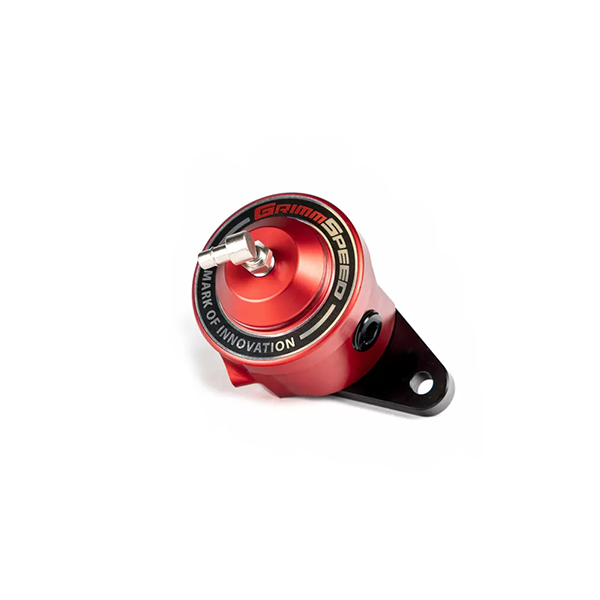
The GrimmSpeed V2 is the most performance-focused option, designed for stronger sealing and higher boost stability. It performs especially well on tuned STIs or cars running increased boost, where consistency under load becomes a priority. Its stronger design helps maintain boost pressure more effectively and supports quicker recovery between shifts.
Best OEM Style
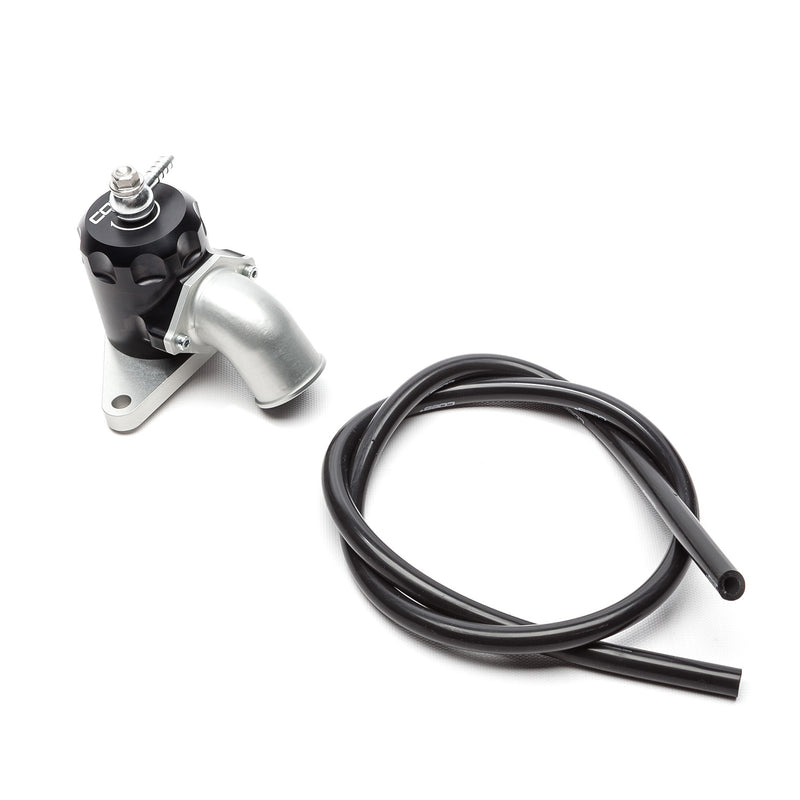
The COBB LF BPV is the most OEM-like option, designed to feel extremely close to stock while still improving performance. It offers smooth drivability, clean throttle transitions, and improved sealing over the factory unit. This makes it a strong choice for drivers who want refinement without changing the character of the car.
Best for Daily Drivers
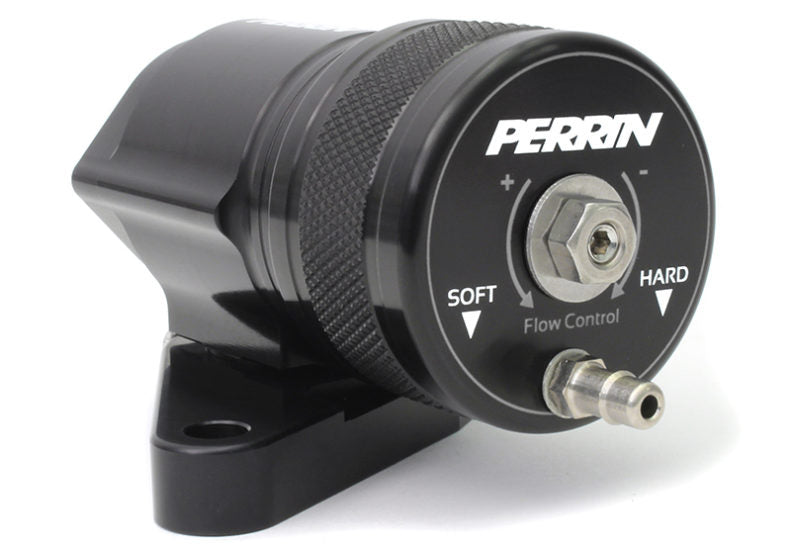
Perrin Black Recirculating Blow Off Valve
The Perrin BPV sits in the middle of the group, offering a reliable and balanced upgrade for daily driving. It improves durability and performance over stock while maintaining good drivability. While not as aggressive as the GrimmSpeed unit or as refined as the COBB option, it remains a dependable choice for mild to moderate builds.
Which STI Bypass Valve Should I Buy?
Choosing the right bypass valve for your STI comes down to how you drive the car and how heavily it is modified. All three of these options are quality upgrades over the factory setup, but each one has a slightly different focus.
For tuned or higher boost STIs, the GrimmSpeed V2 is our top choice for its stronger sealing and boost stability. If you want an OEM-like driving experience with improved sealing and performance, the COBB Tuning LF BPV is the best fit. For a daily driven STI or mild to moderate build, the Perrin Recirculating BPV offers a great balance of performance, reliability, and drivability.
Ultimately, there is no single bypass valve that is best for every STI. Your modifications, boost level, and driving goals should determine which option makes the most sense for your car. If you're still unsure, reach out to the WRXDaily support team and we'll help you choose the right bypass valve for your setup.
Do you need to upgrade your STI bypass valve?
The factory STI bypass valve is more than capable of handling stock boost levels, but it can begin to show its limitations as boost pressure and power levels increase. Upgrading to a stronger aftermarket BPV can improve sealing, boost consistency, throttle transitions, and overall drivability, especially on modified or higher boost setups.
For most STI owners, an aftermarket BPV is less about making more power and more about improving reliability and consistency as the demands on the factory valve increase. It can also help future-proof your setup as you add supporting modifications or increase boost.

It is ultimately a refinement upgrade that improves how the system behaves rather than a necessity for stock vehicles.
What does a bypass valve do?
Turbocharged engines use forced induction to compress and push air into the engine under boost. When you lift off the throttle, the throttle body closes while pressurized air is still moving through the intake system. Without somewhere to go, that pressure can push back toward the turbo, creating compressor surge or turbo flutter.
This is where the STI bypass valve (BPV) comes in. The BPV opens when you lift off the throttle and recirculates excess boost back into the intake before the turbo but after the MAF sensor. This helps relieve pressure, protect the turbo, and maintain smooth drivability between shifts.
In simple terms, the BPV safely redirects excess boost when you lift off the throttle instead of allowing that pressure to build up against the turbo.
Bypass Valve vs Blow Off Valve: What is the difference?
The difference between a bypass valve and a blow off valve comes down to what happens to that excess air when the throttle closes. While both are designed to relieve pressure, they handle airflow in very different ways that directly affect how the engine behaves.
A bypass valve sends that air back into the intake system after it has already been measured by the MAF sensor. Because the ECU still accounts for that air, fueling stays accurate and the system remains stable. This is known as a closed-loop setup and is how Subaru designs the STI from the factory.

A blow off valve (BOV) vents excess boost to the atmosphere instead of recirculating it. On the STI's MAF-based system, this can disrupt airflow calculations because the ECU has already measured air that is no longer entering the engine.
Both valves relieve excess boost, but a recirculating BPV generally provides smoother, more predictable drivability on stock and lightly modified STIs. A BOV produces the familiar whoosh and can work on certain setups, but may cause inconsistent fueling or drivability issues if the car is not properly configured or tuned.
While the STI can tolerate a BOV better than some other Subaru platforms, a recirculating BPV remains the better choice for most builds and our recommendation.
Why does Subaru use a bypass valve on the STi?
Subaru uses a recirculating BPV because it works seamlessly with the STI's factory MAF-based fueling system. By returning excess air to the intake instead of venting it to the atmosphere, the BPV keeps airflow and fueling calculations consistent while maintaining smooth, predictable drivability. For a properly configured STI, a recirculating BPV remains the best choice for reliability and performance.

What happens if you run a blow off valve on a stock STI?
Running a vent-to-atmosphere BOV on a stock STI can cause drivability issues because the ECU is calibrated for a recirculating system. Since the MAF sensor has already measured the air being vented, removing it can cause the engine to run richer than intended, potentially leading to poor throttle response, increased turbo lag, rough idle, and inconsistent fueling.
A BOV can also contribute to backfires when unburned fuel enters the exhaust and ignites. In short, venting metered air creates conditions the factory system was not designed to compensate for.
A BOV makes more sense on setups specifically tuned for it, such as speed density or certain blow-through MAF configurations. For a typical MAF-based STI, a recirculating BPV remains the better choice for reliable, predictable drivability.
Do you need a tune for an STI bypass valve upgrade?
In most cases, a tune is not required when upgrading to a fully recirculating STI bypass valve. As long as the system remains 100 percent recirculating and does not vent to the atmosphere, the ECU continues to operate normally using the MAF sensor.

However, if the vehicle is running a larger turbo, custom intake system, or significant supporting modifications, it is always recommended to inform your tuner so the setup can be properly optimized for airflow and fueling behavior.
Symptoms of a failing STI bypass valve
A failing bypass valve typically shows itself through changes in boost behavior and drivability. One of the first signs is inconsistent or reduced boost pressure, often paired with sluggish acceleration or slower throttle response.
Some drivers may also notice unusual whistling or fluttering sounds under load, along with rough idle or occasional stalling. In more advanced cases, underboost-related check engine lights may appear as the system struggles to maintain proper pressure.
Most enthusiasts choose to upgrade before full failure occurs, especially once modifications begin increasing boost levels.

BPV Installation Overview
Installing a bypass valve on a Subaru STI is a relatively straightforward bolt-on process. While exact steps can vary slightly depending on the brand and model year, the general process remains consistent.
It begins by removing the vacuum lines connected to the factory BPV, followed by loosening the hose clamps and unbolting the factory unit from the intake system. The old valve is then carefully detached from the recirculation hose, and the gasket is removed if needed.
From there, the new bypass valve is installed using the supplied hardware, ensuring all connections are properly seated. Vacuum lines and intake hoses are then reconnected, and all clamps and fittings are tightened securely to prevent leaks.
As always, it is important to follow the manufacturer’s specific instructions to ensure proper fitment and function.